
Introduction
Heavy rains can stop important operations in a big Saudi city when the streets are flooded. For cities, the price of a slow response is higher public safety risks, damaged infrastructure, and lost trust.
Traditional flood management often depends on late reports and manual coordination, which makes teams reactive instead of proactive. But what if cities could see flooding as it happens, send help right away, and send automated reports to show how they responded? This article looks at how a major city changed how it responds to emergencies by using a digital flood management IoT platform that gives real-time visibility, GPS-tracked suction trucks, and works with national systems like 940 Reporting and Daaem. This set a new standard for smart city resilience in Saudi Arabia.
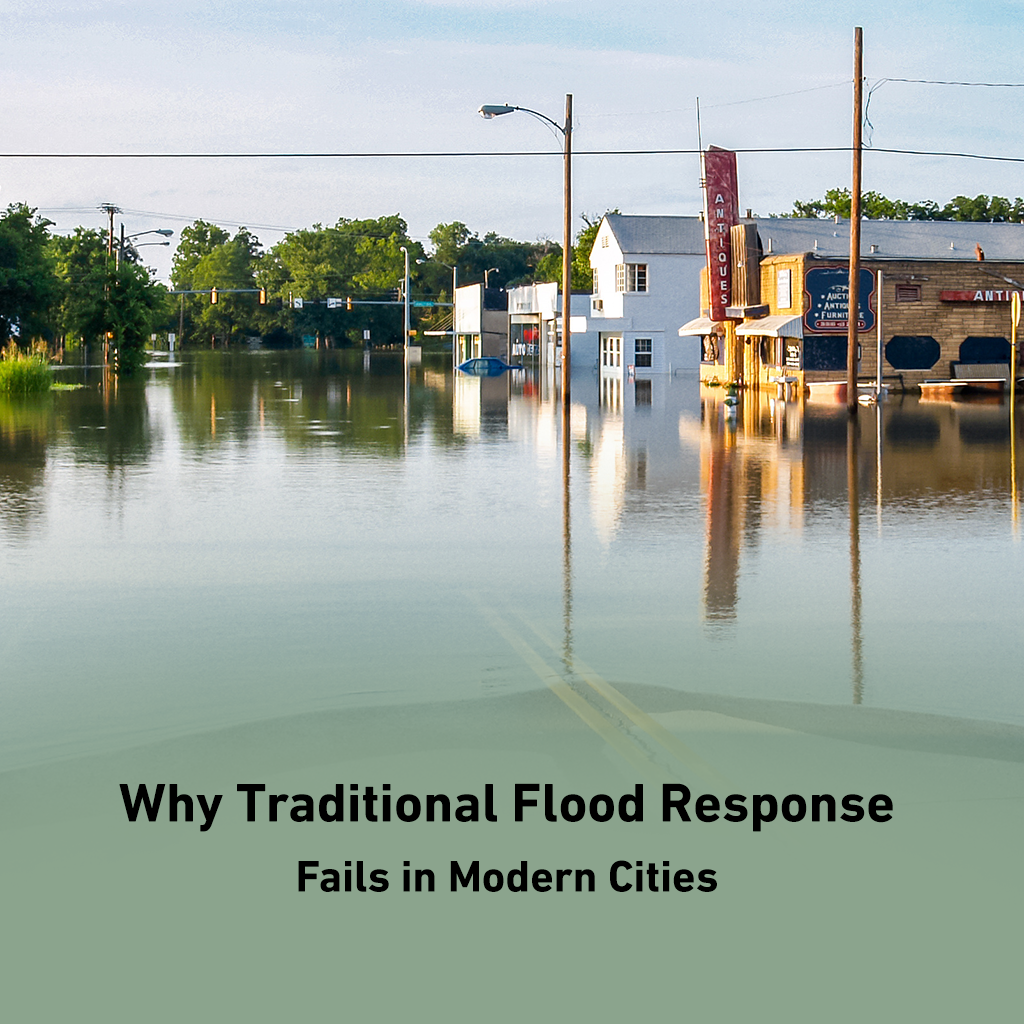
1. Why Traditional Flood Response Fails in Modern Cities
Old ways of dealing with floods don’t work well in today’s cities. When every minute counts, manual reporting systems and response teams that aren’t connected can cause dangerous delays. The time it takes to detect an emergency and respond to it can often cause damage that could have been avoided, and put people’s safety at risk.
1.1 The Cost of Delayed Dispatch and Poor Resource Allocation
When there is flooding, traditional methods show how weak they are right away. Different sources call command centers about the same incident many times. This makes it hard to tell how bad the situation really is. In the meantime, suction trucks could be sent to places that are only slightly flooded while important places wait for help.
Response Times: Traditional vs. Digital
| Scenario | Traditional Approach | Digital IoT Platform |
| Incident Reporting | 15-45 minutes via phone | Instant automated detection |
| Resource Dispatch | Manual radio calls | Automated nearest-vehicle routing |
| Situation Assessment | Site visits required | Real-time sensor data |
| Cross-team Coordination | Separate radio channels | Unified digital IoT platform |
A municipality found that its response teams spent 35% of their time getting to assignments by going through flooded areas. The digital platform now takes them around trouble spots, which cuts travel time by 40%.
1.2 How Manual Reporting Slows Down Emergency Decision-Making
Using paper for reports causes a lot of problems during emergencies. Field teams fill out forms that take hours to get to the people who make decisions. The flooding often gets worse by the time commanders fully understand what’s going on. Important information gets lost when departments and shifts change.
The effect on finances is big. One study found that cities that used manual systems spent 68% more on flood cleanup because they took longer to respond. Crew overtime costs went up by 45% because teams couldn’t work together as well as they should have.
Digital platforms get rid of these problems by automatically collecting data and sharing it in real time. All teams can see the same information at the same time, which lets them work together instead of alone. Cities deal with flooding emergencies in a very different way now that they are moving from reactive to proactive management.

2. A Smarter Approach: The Digital Flood Management IoT Platform
Digital flood management platforms change how cities deal with water emergencies. These systems work together to make a coordinated response network by using real-time data, automated alerts, and smart resource allocation. The IoT platform turns emergencies that are out of control into planned, data-driven operations.
2.1 Live Maps with Color-Coded Water Accumulation Severity
The system’s interactive dashboard shows how bad the flooding is using an easy-to-understand color scheme. Red means that the flooding is at a level that is dangerous and needs to be dealt with right away. Yellow means a moderate amount of accumulation that needs to be watched. Green means everything is normal. This visual system lets commanders make quick decisions without having to sort through reports that are hard to understand.
Flood Severity Classification
| Color Code | Water Depth | Response Time | Priority Level |
| Red | > 30 cm | < 15 minutes | Critical |
| Yellow | 15-30 cm | < 45 minutes | High |
| Green | < 15 cm | Monitoring | Normal |
The system helped move emergency teams from green zones to several red zones during a recent storm. This may have saved a lot of cars from water damage.
2.2 Real-Time GPS Tracking and Operational Integration
On the command screen, every emergency vehicle and suction truck looks like a moving icon. Dispatchers can see where each vehicle is right now, how much space it has, and what tasks it has been given. Using real-time traffic data, the system automatically sends cars around flooded and busy areas.
The IoT platform works perfectly with the systems that are already in place in the city:
- 940 systems get automatic reports of incidents.
- Sharing data in real time with the Daaem platform.
- Combining weather data from national services.
- Connecting ERP systems for managing resources.
After putting the system in place, one city said it was able to get rid of three hours of manual data entry every day. More importantly, during the last major rainy season, they were able to respond to emergencies 40% faster.
The system’s interface in multiple languages makes sure that everyone on the team knows exactly what they need to do. Commands show up in Arabic and English at the same time, which gets rid of communication problems that used to slow down important responses.
3. Key Performance Indicators That Prove the System Works
To measure how well flood management is working, you need clear, useful metrics. The digital platform keeps track of many key performance indicators (KPIs) that show real improvements in how resources are managed and how quickly emergencies are handled. These metrics turn personal opinions into objective data that city leaders can use to make decisions and explain their budgets.
3.1 Measuring Success in Speed, Efficiency, and Compliance
The system keeps track of three important areas of performance that are most important to city operations:
3.1.1 Metrics for Response Time:
- The time it takes to send a crew after a flood is found.
- The average amount of time it takes to get to the scene of an incident.
- Time to fix things on site.
- The total time for an emergency closure.
A municipality that used our IoT platform cut its average response time to emergencies from 52 to 31 minutes. They also met their internal goal of responding to critical flooding incidents within 30 minutes 94% of the time, which is even more important.
Resource Utilization KPIs
| Metric | Before Implementation | After Implementation |
| Daily Incidents per Truck | 3-4 | 6-8 |
| Fuel Consumption per Incident | 18-22 liters | 12-15 liters |
| Overtime Hours Monthly | 160-200 | 80-100 |
| Crew Utilization Rate | 55% | 82% |
One client was able to cut their operational costs by 35% while handling 40% more emergency calls during the rainy season, thanks to the IoT platform’s automated scheduling and routing features.
3.1.2 Compliance and Reporting Metrics:
The system makes compliance reports on its own for:
- 940 standards for emergency services.
- Requirements for SFDA water quality.
- Smart city indicators for Vision 2030.
- Benchmarks for how well a city does.
One director of a municipality said, “We used to spend 15 hours a week on compliance paperwork, but now we have reports made automatically.” The system pays for itself just by saving time on paperwork, and it also makes our emergency response much better.
The measurable improvements show how digital transformation makes city services smarter and more efficient, which directly helps citizens and makes better use of resources.

FAQs
1. What exactly is a digital flood management platform?
It’s a system that includes real-time weather monitoring, GPS tracking of vehicles, and automatic reporting. The IoT platform lets commanders see all of the flood situations, available resources, and progress on response efforts in real time, all on one dashboard.
2. How does tracking in real time really speed up response times?
The system finds places where flooding is likely to happen and sends the nearest suction trucks. One city cut its average response time from 45 to 27 minutes by using GPS routing that avoids traffic and flooded areas.
3. Is it possible for this to work with current city systems like Daaem?
Yes. Our IoT platform works perfectly with Daaem, 940 Reporting, and most city ERP systems. This makes sure that all flood response data automatically goes into your existing workflows without you having to enter it by hand.
4. Can the IoT platform work with teams that speak different languages?
Of course. The interface works with Arabic and English, and important alerts show up in all two languages at the same time. This was very important for a municipality that had both Arabic and South Asian drivers.
5. How quickly can we put this into action all over our city?
Most cities are fully operational in 6 to 8 weeks. The system works with your current vehicles and infrastructure. All you need are GPS devices and the software platform.
Conclusion
The switch to digital flood management is more than just an upgrade in technology; it also means a big change in how cities protect their people and buildings. The data of Saudi towns shows clear, measurable benefits: response times are 40% faster, operational costs are 35% lower, and public safety outcomes are much better.
These IoT platforms change emergency responses that are all over the place into coordinated, data-driven operations. They take the guesswork out of allocating resources and give commanders real-time information about what’s going on. The integration with current municipal systems makes sure that the change goes smoothly and the benefits are felt right away.
Think about how this system worked in a Jeddah municipality. They dealt with 47% more incidents during last year’s rainy season with 30% fewer resources. Their public satisfaction ratings for emergency services went up from 68% to 89%. Most importantly, they stopped an estimated 2.3 million SAR in possible flood damage by responding more quickly.
Are you ready to change how your town deals with floods? Get in touch with us today to set up a demonstration and find out how our digital IoT platform can help your city get the same results.
Follow Us:
